
How Options Trading Has Gone Mainstream — and the Risks That Come With It
Important Disclaimer: This article is for informational purposes only and does not constitute financial advice. This content covers topics that may significantly impact your finances. Always consult qualified financial advisors for advice specific to your situation.
Five years ago, options trading was the domain of professional traders and finance nerds who understood Greeks, volatility surfaces, and complex hedging strategies. Today, your coworker might be trading zero-day options on their lunch break using a smartphone app.
This shift represents one of the most significant democratizations in retail investing history. Total options volume topped 15.2 billion contracts in 2025, marking a 26% increase above 2024, according to CBOE. The numbers tell a clear story: options trading has gone mainstream, and the pace of adoption shows no signs of slowing.
But here’s what concerns me. The same accessibility that opened these markets to millions of new participants also introduced substantial risks that many traders don’t fully grasp until they’ve already learned expensive lessons. Commission-free trading, simplified mobile interfaces, and social media hype have created an environment where sophisticated financial instruments are treated like lottery tickets.
This isn’t a doom-and-gloom warning against options entirely. Used properly, they’re powerful tools for income generation, portfolio protection, and strategic positioning. The problem is that most new traders skip straight to the high-risk strategies without understanding the fundamentals. Understanding both the opportunities and the dangers is essential before putting real money at stake.
Table of Contents
Toggle
- Key BenefitsPrimary AdvantagesUse Cases
- How It Works
- Getting Started
- Start small, stay educated, and never trade strategies you don’t fully understand. The options market will be here tomorrow, and there’s no prize for rushing in unprepared.
Key Benefits
Primary Advantages
Options offer capabilities that simple stock trading cannot match. The most obvious is leverage: controlling 100 shares of a $200 stock requires $20,000 in a standard brokerage account, but an options contract might cost $300-500 for similar exposure. This capital efficiency attracts traders who want meaningful market participation without massive account balances.
Income generation through covered calls and cash-secured puts has become increasingly popular among retail investors seeking yield in low-interest environments. A stockholder can sell monthly calls against their position, collecting premium while maintaining ownership. This strategy works particularly well for long-term holders who don’t mind potentially selling at predetermined prices.
Risk management represents another legitimate use case. Put options function as portfolio insurance, capping downside exposure during uncertain markets. Institutional investors have used this approach for decades, and retail traders now have access to the same protective strategies.
The flexibility to profit in any market direction appeals to traders frustrated by the “buy and hope” limitations of stock-only portfolios. Bearish positions through puts, neutral strategies through iron condors, and volatility plays through straddles expand the tactical options available to individual investors.
Use Cases
Real Finance Tips frequently highlights how different investor profiles use options differently. Conservative retirees might sell covered calls on dividend stocks they already own, generating 1-2% monthly income with minimal additional risk. This approach treats options as yield enhancement rather than speculation.
Active traders often use options for directional bets with defined risk. Buying calls before earnings announcements or puts during technical breakdowns allows participation in expected moves without the unlimited loss potential of short selling.
Small account holders benefit from the leverage aspect. Someone with $5,000 can establish meaningful positions in expensive stocks like Amazon or Tesla through options, whereas buying shares outright would concentrate their entire portfolio in a single position.
Hedging existing stock positions protects against short-term volatility without selling. A tech worker with concentrated company stock might buy puts before earnings rather than triggering taxable events through selling.
How It Works
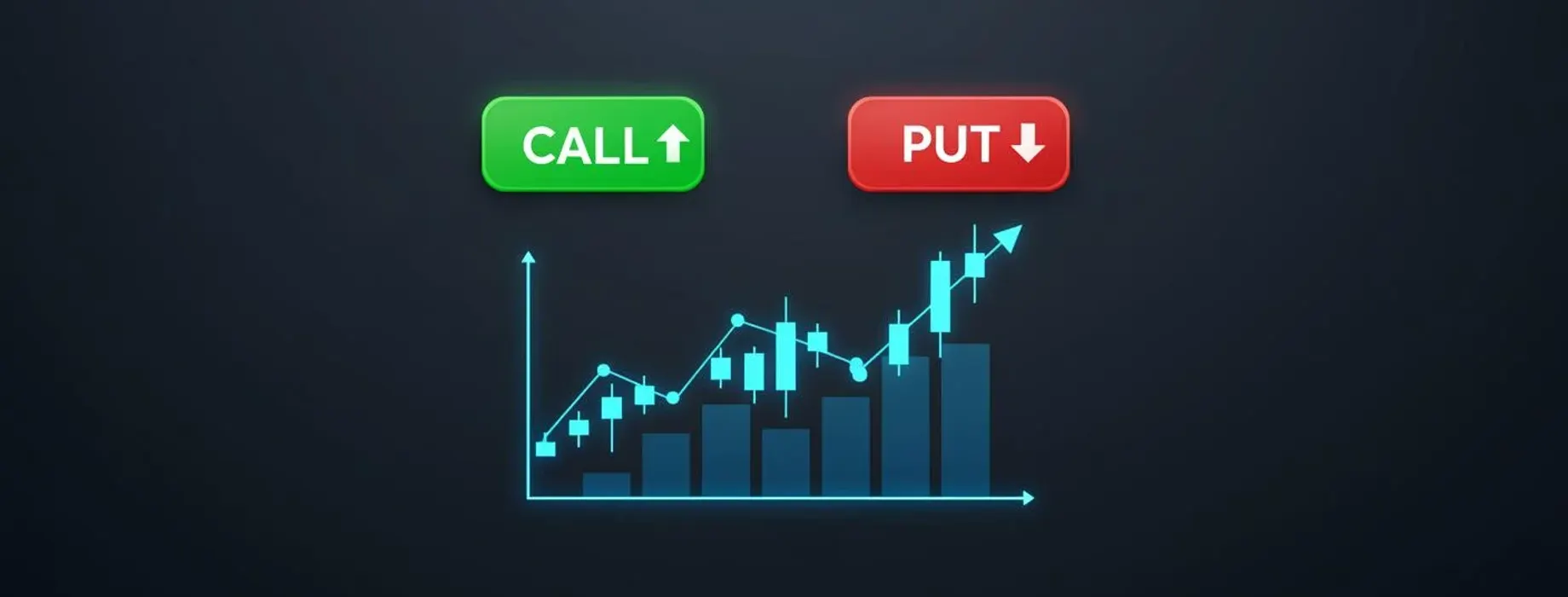
Options contracts grant the right, but not the obligation, to buy or sell an underlying asset at a specified price before a certain date. Calls give the right to buy; puts give the right to sell. Every contract represents 100 shares of the underlying stock.
The price you pay for this right is called premium. Premium pricing depends on several factors: the current stock price relative to the strike price, time until expiration, and implied volatility. These components interact in ways that surprise new traders. A stock can move in your predicted direction while your option loses value because volatility collapsed or time decay accelerated.
Time decay, or theta, works against option buyers every single day. An option losing 2% of its value daily through theta alone can devastate positions held too long. This decay accelerates dramatically as expiration approaches, which explains both the appeal and the danger of short-dated options.
Zero-days-to-expiry options, commonly called 0DTE, now account for 40% to 50% of total retail options volume according to Fintech Global. These contracts expire the same day they’re traded, offering maximum leverage and maximum risk. The lottery-ticket appeal is obvious: small amounts can multiply quickly. The reality is that most 0DTE positions expire worthless.
Average daily options volume increased by about 22% from 2024 to 59 million contracts in Q3 2025, per the same Fintech Global report. This surge reflects both genuine interest in options strategies and speculative fervor that may not end well for inexperienced participants.
Getting Started
Before trading options, you need approval from your brokerage. Firms classify traders into levels based on experience and account size, with higher levels permitting riskier strategies. Level 1 might allow covered calls only, while Level 4 permits naked options with unlimited loss potential.
Start with paper trading. Every major platform offers simulated options trading with real market data. Spend at least three months paper trading before risking real capital. Track your hypothetical results honestly, including commissions and realistic fill prices.
Real Finance Tips recommends beginning with defined-risk strategies exclusively. Buying calls and puts limits your maximum loss to the premium paid. Spreads cap both profit and loss potential. Avoid naked calls and puts until you truly understand the unlimited risk involved.
Learn the Greeks before trading. Delta tells you how much your option moves per dollar of stock movement. Theta shows daily time decay. Vega measures sensitivity to volatility changes. Ignoring these metrics is like driving without understanding what the gauges mean.
Position sizing matters more with options than stocks. A general guideline: never risk more than 2-5% of your account on any single options trade. The leverage that makes options attractive also makes them capable of destroying accounts quickly.
Greg Ferrari from Nasdaq noted that “the pandemic enabled a new cohort to access the options market and that the U.S. options market is in its early innings of growth,” according to Markets Media. This growth phase means educational resources are more abundant than ever, but it also means many participants are learning through costly mistakes.
Retail investors experienced 62% growth in average daily volume from 2022 to 2023, per Coinlaw. This rapid expansion includes both sophisticated traders and complete novices, creating a market environment where inexperienced participants often provide liquidity to professionals.
The mainstreaming of options trading represents genuine opportunity and genuine danger in equal measure. Cboe Global Markets reported total volume reaching 4.6 billion contracts in 2025, confirming that retail participation has fundamentally changed these markets.
The risks that accompany this accessibility deserve serious attention. Time decay, leverage, and complexity can turn small mistakes into account-destroying losses. The ease of placing trades through mobile apps creates an illusion of simplicity around instruments that professionals spend years mastering.
None of this means you should avoid options entirely. Used thoughtfully, they offer legitimate advantages for income generation, risk management, and capital efficiency. The key is approaching them with appropriate respect and preparation.
Consider consulting a financial advisor before implementing options strategies, particularly if your portfolio represents significant life savings. Past performance in paper trading or small positions doesn’t guarantee future results with larger stakes. Markets can behave in unexpected ways, and even well-constructed options positions can lose money.
Start small, stay educated, and never trade strategies you don’t fully understand. The options market will be here tomorrow, and there’s no prize for rushing in unprepared.
This article is for informational purposes only and does not constitute financial advice.