
The 50/30/20 Budget Rule: Does It Still Work in 2026?
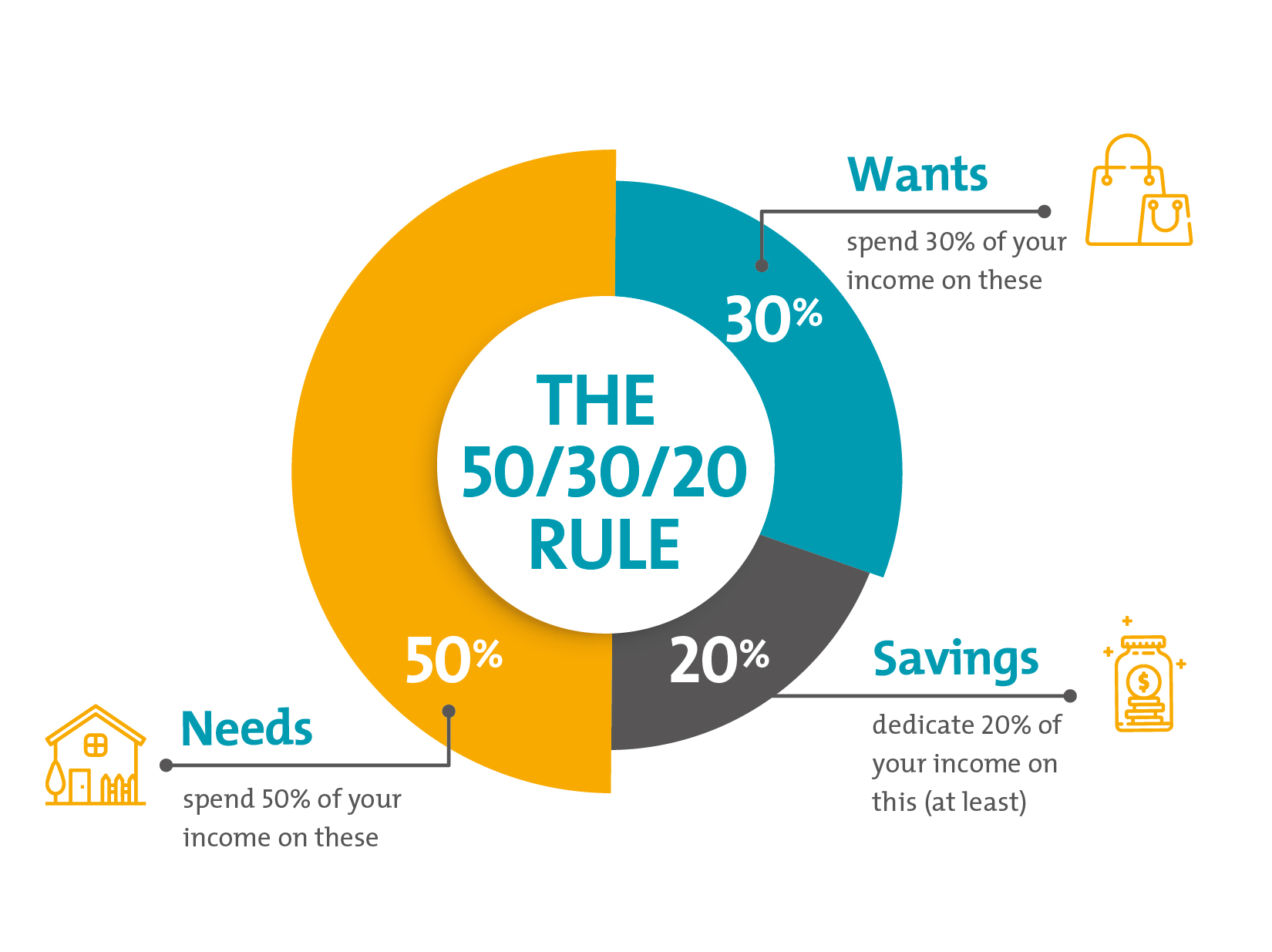
Table of Contents
Toggle
Table of Contents
Introduction
Senator Elizabeth Warren popularized the 50/30/20 budget rule in her 2005 book “All Your Worth,” and for nearly two decades, it served as the go-to framework for personal finance beginners. The premise is elegantly simple: allocate 50% of your after-tax income to needs, 30% to wants, and 20% to savings and debt repayment. But here’s the uncomfortable question financial advisors are increasingly asking: does the 50/30/20 budget rule still work in 2026?
The economic landscape has shifted dramatically since Warren first introduced this framework. Housing costs have exploded in most metropolitan areas, student loan balances have ballooned, and inflation has fundamentally altered what counts as a “need” versus a “want.” Meanwhile, the gig economy has complicated what “after-tax income” even means for millions of workers.
I’ve watched people struggle with this budget rule for years, and the pattern is consistent. They try to fit their expenses into these neat percentages, fail repeatedly, and conclude they’re bad with money. The reality is often simpler: the rule wasn’t designed for their circumstances. That doesn’t mean it’s useless, but it does mean we need to examine when this framework helps and when it becomes an obstacle to actual financial progress.
Key Benefits
The 50/30/20 rule endures because it solves a genuine problem: most people have no idea where to start with budgeting. Traditional line-item budgets require tracking dozens of categories, which feels overwhelming and often leads to abandonment within weeks. This framework cuts through that complexity by offering just three buckets to manage.
The psychological benefit here is substantial. When someone asks how to budget, you can explain the concept in thirty seconds. That accessibility matters because the best budget is one you’ll actually follow. A sophisticated system that sits unused in a spreadsheet accomplishes nothing.
Primary Advantages
The framework forces a critical conversation about needs versus wants that many people avoid. When you’re required to categorize every expense, you confront spending patterns you might otherwise ignore. That streaming subscription you forgot about? It goes in the wants column. The gym membership you haven’t used in six months? Same category.
This categorization exercise often reveals surprising truths. People frequently discover they’re spending 40% or more on wants while convincing themselves they’re being frugal. The rule creates accountability without requiring obsessive tracking of every coffee purchase.
Another advantage is the built-in savings mandate. The 20% allocation toward savings and debt repayment isn’t optional in this framework. For people who’ve never saved consistently, having a specific target changes behavior. It shifts savings from “whatever’s left over” to a non-negotiable priority.
The rule also scales with income changes. Whether you earn $40,000 or $140,000, the percentages remain constant. This means you don’t need to rebuild your entire budget after a raise or job change, just recalculate the dollar amounts.
Use Cases
This budgeting approach works best for people with stable, predictable incomes and moderate cost-of-living situations. A single professional earning $60,000 in a mid-sized Midwestern city can often make these percentages work without significant strain.
The framework also excels as a diagnostic tool. Even if you can’t hit the exact percentages, comparing your actual spending to the 50/30/20 benchmark reveals where you’re out of alignment. Someone spending 65% on needs immediately knows their housing or transportation costs are consuming too much of their income.
Young professionals just starting their financial journey benefit from the simplicity. Rather than getting lost in complex investment strategies or debt payoff methods, they can focus on one clear question: am I hitting my percentages this month?
The rule also serves couples well when they’re combining finances for the first time. It provides neutral ground for conversations about spending priorities. Instead of arguing about whether a purchase is reasonable, partners can discuss which category it belongs to and whether that category has room.
How It Works
Implementing this budget starts with calculating your after-tax income, which sounds simpler than it often is. For salaried employees, this means your take-home pay after federal and state taxes, Social Security, and Medicare deductions. If your employer deducts health insurance premiums or retirement contributions, add those back in since they’ll be categorized within your budget.
Freelancers and gig workers face a trickier calculation. You’ll need to estimate your tax burden and subtract it from gross income. Many financial advisors suggest using your previous year’s effective tax rate as a starting point, then adjusting quarterly as income fluctuates.
Once you have your monthly after-tax figure, multiply it by 0.50, 0.30, and 0.20 to get your category limits. Someone with $5,000 monthly after-tax income would have $2,500 for needs, $1,500 for wants, and $1,000 for savings and debt repayment.
The “needs” category includes housing costs like rent or mortgage, utilities, groceries, health insurance, minimum debt payments, transportation to work, and childcare. These are expenses you genuinely cannot avoid without significant life disruption.
“Wants” covers everything that improves your quality of life but isn’t strictly necessary: dining out, entertainment, hobbies, vacations, upgraded phone plans, and subscription services. The line between needs and wants can get philosophical, but a useful test is asking whether you’d survive without it.
The savings and debt category includes emergency fund contributions, retirement account deposits, extra debt payments beyond minimums, and investments. This category builds your future financial security rather than maintaining your present lifestyle.
Tracking can happen through apps like YNAB or Mint, a simple spreadsheet, or even a notebook. The method matters less than consistency. Many people find weekly check-ins work better than monthly reviews since they can course-correct before small overages become major problems.
Getting Started
The first week should focus entirely on observation. Don’t try to change anything yet. Instead, track every expense and categorize it as a need, want, or savings contribution. This baseline data reveals your actual spending patterns rather than what you imagine they are.
Most people discover their needs category exceeds 50%, often significantly. Housing alone frequently consumes 35-40% of income in high-cost cities, leaving almost nothing for other essentials within the needs allocation. This is where the 2026 reality check becomes essential.
If your needs exceed 50%, you have three options: increase income, decrease needs expenses, or modify the percentages to match your reality. The third option isn’t failure; it’s pragmatism. A 60/20/20 split might be the best achievable outcome given your circumstances, and that’s still a functional budget.
For the wants category, start by listing every discretionary expense from the past three months. Rank them by how much joy or value they provide. Often, the bottom third of this list represents spending you won’t even miss when it’s gone. Cancel those subscriptions and redirect the money toward savings.
The savings category requires automation to work reliably. Set up automatic transfers to savings accounts on payday, before you have a chance to spend the money elsewhere. Treat these transfers like any other bill that must be paid.
If you’re carrying high-interest debt, the 20% allocation should prioritize that debt over other savings goals. The math is straightforward: paying off a credit card charging 22% interest provides a guaranteed 22% return, which beats any realistic investment expectation.
Building an emergency fund comes next. Three to six months of essential expenses provides a buffer against job loss or unexpected costs. Until this fund exists, you’re one car repair away from derailing your entire financial plan.
Consider the 50/30/20 framework as training wheels rather than a permanent solution. As your financial literacy grows, you might graduate to more sophisticated approaches. Some people eventually prefer zero-based budgeting, where every dollar receives a specific assignment. Others move toward values-based spending that aligns money with personal priorities rather than arbitrary percentages.
The 2026 economy demands flexibility that the original rule didn’t anticipate. Childcare costs have risen faster than inflation for over a decade. Healthcare expenses continue climbing. Housing markets in desirable areas have become genuinely unaffordable for median earners. Acknowledging these realities isn’t making excuses; it’s being honest about constraints.
What hasn’t changed is the underlying principle: spend less than you earn and save the difference. The specific percentages matter less than the discipline of categorizing expenses and living within defined limits. If 50/30/20 gets you started on that path, it’s served its purpose even if you eventually outgrow it.
The people who succeed with this framework share one trait: they treat it as a starting point for financial awareness rather than a rigid prescription. They adjust percentages when life circumstances change. They forgive themselves for imperfect months. They focus on trends over time rather than obsessing over single transactions.
Your financial situation in 2026 is unique. The 50/30/20 rule provides a framework for thinking about money allocation, but only you can determine whether those specific ratios serve your goals. Start with the standard percentages, measure your reality against them, and adjust until you find a sustainable balance. That process of examination and adjustment is the real skill, and it will serve you regardless of what economic conditions emerge in the years ahead.