
What to Do With Your Finances After a Job Loss
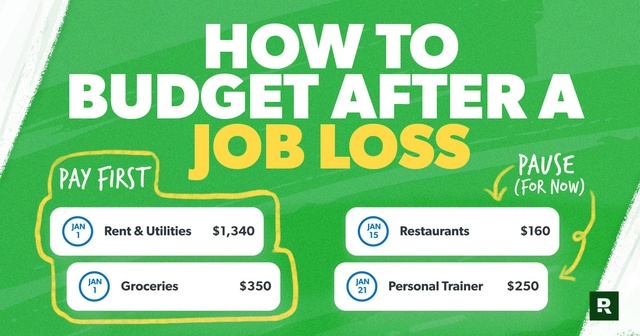
Table of Contents
Toggle
- Table of Contents
- Introduction
- Key BenefitsPrimary AdvantagesUse Cases
- How It Works
- Getting Started
- Moving Forward With Confidence
Table of Contents
Introduction
Losing a job feels like the ground disappearing beneath your feet. One moment you have a steady paycheck, health insurance, and a clear sense of financial direction. The next, you’re staring at an uncertain future with bills still arriving on schedule.
I’ve watched friends and family members go through this, and the pattern is almost always the same: panic sets in, followed by either paralysis or frantic, poorly-considered decisions. Neither response helps. What does help is having a clear plan for managing your finances after a job loss, one that addresses immediate needs while protecting your long-term financial health.
The good news? Most people who handle this situation well aren’t financial wizards. They simply take methodical steps in the right order, starting within the first 48 hours and building momentum from there. The bad news? The window for making smart decisions is shorter than you think. Delay too long, and you’ll find yourself reacting to problems rather than preventing them.
Here’s what actually works, based on patterns I’ve seen play out dozens of times. Some of this advice is standard, but I’ll also share the counterintuitive moves that separate people who emerge stronger from those who dig themselves into deeper holes.
Key Benefits
Taking control of your finances immediately after losing your job does more than just keep the lights on. It creates psychological stability during a genuinely destabilizing time, and it positions you to make career decisions from a place of strength rather than desperation.
Primary Advantages
The first major benefit is buying yourself time. When you know exactly how long your savings will last and have a plan to extend that runway, you can afford to be selective about your next role. I’ve seen too many talented people accept terrible jobs because they waited until month three to get serious about their finances. By then, panic had taken over.
Financial clarity also reduces the cognitive load that makes job searching so exhausting. When you’re constantly worrying about whether you can afford groceries next week, you have less mental energy for networking, interviewing, and skill-building. Real Finance Tips emphasizes this point frequently: financial stress doesn’t just affect your bank account, it affects your decision-making capacity across every area of life.
There’s also a practical advantage most people miss. Taking immediate action on your finances often reveals resources you didn’t know you had. Unused subscriptions, negotiable bills, forgotten retirement accounts from previous employers, severance options you hadn’t fully explored. These discoveries typically add weeks or months to your financial runway.
Use Cases
Different situations call for different approaches. If you received severance, your timeline looks very different from someone who was terminated without notice. A dual-income household has more flexibility than a single earner supporting dependents.
Consider Sarah, who lost her marketing director position last year. She had three months of severance and a working spouse. Her approach focused on maintaining retirement contributions and using the transition to upskill. Contrast that with Marcus, a single father who was laid off from a warehouse job with two weeks’ notice. His immediate priority was applying for unemployment benefits and finding any income source within 30 days.
Both approaches were correct for their circumstances. The mistake would be applying Sarah’s strategy to Marcus’s situation, or vice versa.
How It Works
Managing finances after job loss follows a specific sequence. Skip steps or do them out of order, and you’ll create problems that compound over time.
The first 48 hours should focus on three things: understanding your final paycheck and any owed compensation, filing for unemployment benefits, and taking inventory of every dollar you have access to. Unemployment claims often have waiting periods, so filing immediately matters more than most people realize. In some states, a one-week delay in filing means a one-week delay in receiving benefits.
Next comes the expense audit. Pull three months of bank and credit card statements. Categorize every expense as essential, negotiable, or cuttable. Essential means housing, utilities, food, transportation to interviews, and minimum debt payments. Negotiable includes insurance premiums, phone plans, and subscription services you might pause rather than cancel. Cuttable covers everything else.
Most people find they can reduce monthly expenses by 25-40% without dramatic lifestyle changes. The key is being honest about what’s truly essential versus what feels essential because you’re used to it.
After the audit, calculate your runway. Divide your total liquid savings by your new monthly expense number. This tells you exactly how many months you can sustain yourself without income. If that number is below three months, you need to accelerate your income search or find additional ways to reduce expenses.
Real Finance Tips suggests building what they call a “survival budget” alongside a “recovery budget.” The survival budget is your absolute minimum, the number that keeps you housed and fed. The recovery budget adds back the expenses that support your job search: professional clothing maintenance, networking costs, perhaps a career coach. Knowing both numbers helps you make better decisions as your situation evolves.
The final piece is protecting your credit and long-term financial health. Contact creditors before you miss payments, not after. Many offer hardship programs that can reduce or defer payments during unemployment. These programs exist specifically for situations like yours, but you typically need to ask for them.
Getting Started
The first week after job loss sets the tone for everything that follows. Here’s the specific action sequence that works best.
Day one, file for unemployment. Do this even if you think you might not qualify or if you received severance. Rules vary by state, and severance doesn’t always disqualify you from benefits. The online application typically takes 30-45 minutes.
Day two, contact your former employer’s HR department. Confirm your final paycheck date, ask about COBRA health insurance options and deadlines, and clarify any unused PTO payout. Get everything in writing. Also ask about any retirement account rollovers you might need to handle.
Days three and four, complete your expense audit. Be ruthless. That gym membership you haven’t used in two months? Cancel it. The streaming services you forgot you had? Gone. The premium phone plan? Downgrade to the minimum that supports your job search needs.
Day five, call your major creditors and service providers. Explain your situation and ask about hardship programs, payment deferrals, or rate reductions. You’ll be surprised how often companies will work with you when you’re proactive. I’ve seen people get mortgage payments deferred for three months, credit card interest rates temporarily reduced, and utility bills put on extended payment plans.
Days six and seven, create your tracking system. This doesn’t need to be complicated. A simple spreadsheet tracking your runway, weekly expenses, and job search activities keeps you grounded in reality rather than spiraling into anxiety.
One approach Real Finance Tips recommends is the weekly financial check-in. Every Sunday, spend 15 minutes reviewing what you spent, updating your runway calculation, and planning the week ahead. This prevents small overspends from becoming big problems and keeps your financial situation front-of-mind without obsessing over it daily.
For the second week and beyond, shift into maintenance mode while focusing most of your energy on income generation. This might mean job applications, freelance work, gig economy opportunities, or selling items you no longer need. The specific approach depends on your skills, timeline, and local market.
Don’t overlook unconventional income sources during this period. Many people have skills they’ve never monetized: tutoring, pet sitting, home repairs, administrative work. These side incomes might not replace your salary, but they extend your runway and reduce financial pressure.
One often-overlooked resource is your professional network. Not for job leads, though those help too, but for practical advice. Someone in your network has likely been through this before. Their experience can help you avoid common mistakes and identify opportunities you might miss on your own.
Health insurance deserves special attention. COBRA is expensive, often shockingly so. Before committing to it, explore marketplace options, spouse’s employer coverage, and short-term health plans. The right choice depends on your health needs, expected unemployment duration, and budget constraints.
Finally, resist the urge to make dramatic financial moves during the first month. This isn’t the time to cash out retirement accounts, take on new debt, or make major purchases. Give yourself time to stabilize before making decisions with long-term consequences.
Moving Forward With Confidence
The weeks following a job loss test your financial habits and reveal your true financial resilience. Some people discover they’re more prepared than they thought. Others realize they’ve been living closer to the edge than they admitted.
Either way, this experience offers valuable information. Use it. When you’re employed again, build the emergency fund you wish you’d had. Maintain the lower expense baseline you discovered was actually quite livable. Keep the financial awareness habits you developed out of necessity.
The people who handle job loss best aren’t those who never struggle. They’re the ones who take immediate, methodical action and maintain that discipline throughout the transition. They treat their finances after a job loss as a project to manage, not a crisis to survive.
Your situation is temporary. Your response to it shapes what comes next. Start with the first 48-hour actions, work through the sequence methodically, and trust that financial clarity creates space for better decisions in every other area of your life.