
Why Small-Cap Stocks Are Suddenly Back in the Spotlight
Important Disclaimer: This article is for informational purposes only and does not constitute financial advice. This content covers topics that may significantly impact your finances. Always consult qualified financial advisors for advice specific to your situation.
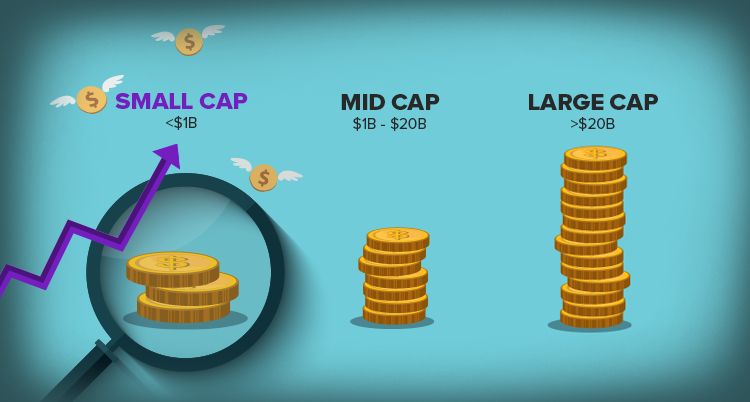
Small-cap stocks have spent years playing second fiddle to their large-cap counterparts. The FAANG stocks, mega-cap tech giants, and trillion-dollar behemoths dominated headlines and portfolios alike. But something shifted in late 2024, and suddenly small-cap stocks are back in the spotlight in a way we haven’t seen in years.
The numbers tell a compelling story. From the end of October 2025 through January 27, 2026, small-caps returned 8.95%, while large-caps gained only 2.33%, according to Neuberger Berman. That’s not a minor outperformance – it’s nearly a four-to-one margin. For investors who’ve watched small-caps lag behind for the better part of a decade, this reversal feels significant.
What’s driving this shift? A combination of factors: improving earnings, attractive valuations, and a changing economic landscape that favors nimble domestic companies over global giants. The conditions that suppressed small-cap performance are reversing, and smart investors are taking notice. At Real Finance Tips, we’ve been tracking this rotation closely, and the data suggests this isn’t just a temporary blip.
Table of Contents
Toggle
- Key BenefitsPrimary AdvantagesUse Cases
- How It Works
- Getting Started
- Before making significant allocation changes, consult with a qualified financial advisor who understands your complete financial picture. They can help determine whether increasing small-cap exposure aligns with your goals and risk capacity. The spotlight on small-caps may be sudden, but the opportunity for patient investors could prove lasting.
Key Benefits
Small-cap stocks offer distinct advantages that become particularly valuable during certain market conditions. Understanding these benefits helps explain why institutional money is flowing back into this asset class.
Primary Advantages
The historical record speaks clearly about small-cap potential. Over the period from July 1926 through December 2021, small-cap stocks delivered an annualized return of 12.4% versus 11.0% for large-cap stocks, as documented by Windward Investment Counsel. That 1.4% annual difference compounds dramatically over decades.
Small-caps also offer diversification benefits that portfolio managers prize. These companies often derive most of their revenue domestically, making them less vulnerable to currency fluctuations and international trade tensions. When geopolitical uncertainty rises, this domestic focus becomes a shield rather than a limitation.
The valuation gap presents perhaps the most compelling opportunity right now. As of July 31, 2024, the S&P SmallCap 600 Growth Index was trading at a 20% discount to the S&P 500 Index on a P/E basis, according to Alger. Buying quality companies at a discount to their larger peers rarely stays available for long.
Use Cases
Different investors find small-cap exposure valuable for different reasons. Growth-oriented portfolios benefit from the higher return potential, while value investors appreciate the current discount to fair value.
Retirees seeking income might use small-cap value funds to complement dividend-focused large-cap holdings. Younger investors with longer time horizons can tolerate the volatility in exchange for potentially superior long-term returns. Institutional investors often maintain strategic allocations to small-caps as part of their overall equity exposure, adjusting the weight based on market conditions.
Real Finance Tips recommends considering your investment timeline and risk tolerance before adjusting small-cap allocations. A financial advisor can help determine the appropriate percentage for your specific situation.
How It Works
Understanding why small-caps are gaining momentum requires looking at several interconnected factors affecting the market right now.
The earnings recovery story is perhaps most important. Trailing 12-month earnings for the S&P 600 fell 36% from the end of 2022 through September 19, 2025, but then rebounded 27% through January 27, 2026, per Neuberger Berman. Small-cap companies, often more leveraged and economically sensitive than large-caps, suffered disproportionately during the earnings downturn. Now they’re recovering just as quickly.
Interest rate dynamics play a crucial role too. Small-cap companies typically carry more floating-rate debt than large-caps, making them more sensitive to rate changes. As the Federal Reserve signals a more accommodative stance, borrowing costs decline, directly improving small-cap profitability.
The M&A angle deserves attention as well. Large-cap companies are currently sitting on record cash reserves of nearly $2.5 trillion, according to Gabelli. That capital needs deployment, and acquiring smaller competitors often makes strategic sense. Small-cap investors benefit when acquisition premiums get paid.
T. Rowe Price’s Asset Allocation Committee has stated that “the U.S. small-cap rally is durable” and has “gradually increased its overweight position in recent months,” according to T. Rowe Price. When institutional heavyweights increase allocations, it signals confidence in the sustainability of the trend.
Getting Started
Adding small-cap exposure to your portfolio requires thoughtful consideration of several factors. Here’s a practical framework for approaching this asset class.
First, assess your current allocation. Many investors discover they’re significantly underweight small-caps compared to their target allocation. Check your existing funds and ETFs to understand your actual exposure before making changes.
Index funds and ETFs offer the simplest entry point. Products tracking the Russell 2000 or S&P 600 provide broad small-cap exposure with low fees. The S&P 600 applies profitability screens that filter out many unprofitable companies, which some investors prefer.
Active management may add value in small-caps more than in large-caps. The small-cap universe receives less analyst coverage, creating information inefficiencies that skilled managers can exploit. Research from Real Finance Tips suggests examining a fund’s expense ratio, manager tenure, and performance during both up and down markets before committing.
Consider your entry strategy carefully. Dollar-cost averaging into small-cap positions over several months reduces the risk of buying at a local peak. Small-caps exhibit higher volatility than large-caps, making timing particularly difficult to get right.
Risk management matters enormously with small-cap investments. Individual small-cap stocks can lose substantial value quickly if company-specific problems emerge. Diversification across many holdings, whether through funds or a basket of individual stocks, helps protect against single-company disasters.
Quality screens improve outcomes. Look for small-cap companies with strong balance sheets, consistent profitability, and reasonable debt levels. The cheapest small-caps often stay cheap for good reasons – quality matters more than finding the absolute lowest valuation.
Tax considerations affect optimal account placement. Small-cap funds often generate more taxable distributions than large-cap index funds due to higher turnover. Holding small-cap exposure in tax-advantaged accounts like IRAs may improve after-tax returns.
The rotation back toward small-cap stocks reflects fundamental changes in the investment landscape. Improving earnings, attractive valuations relative to large-caps, and institutional flows all support the case for increased small-cap exposure.
Past performance never guarantees future results, and small-caps carry genuine risks including higher volatility and greater sensitivity to economic downturns. But for investors with appropriate time horizons and risk tolerance, the current environment presents opportunities that haven’t existed for years.
The 20% valuation discount, the earnings recovery trajectory, and the record cash sitting on large-cap balance sheets all point toward potential upside. Whether through index funds, actively managed strategies, or individual stock selection, small-caps deserve consideration in most diversified portfolios.
Before making significant allocation changes, consult with a qualified financial advisor who understands your complete financial picture. They can help determine whether increasing small-cap exposure aligns with your goals and risk capacity. The spotlight on small-caps may be sudden, but the opportunity for patient investors could prove lasting.
This article is for informational purposes only and does not constitute financial advice.