
The Dollar’s Dominance Is Being Challenged — Here’s What to Know
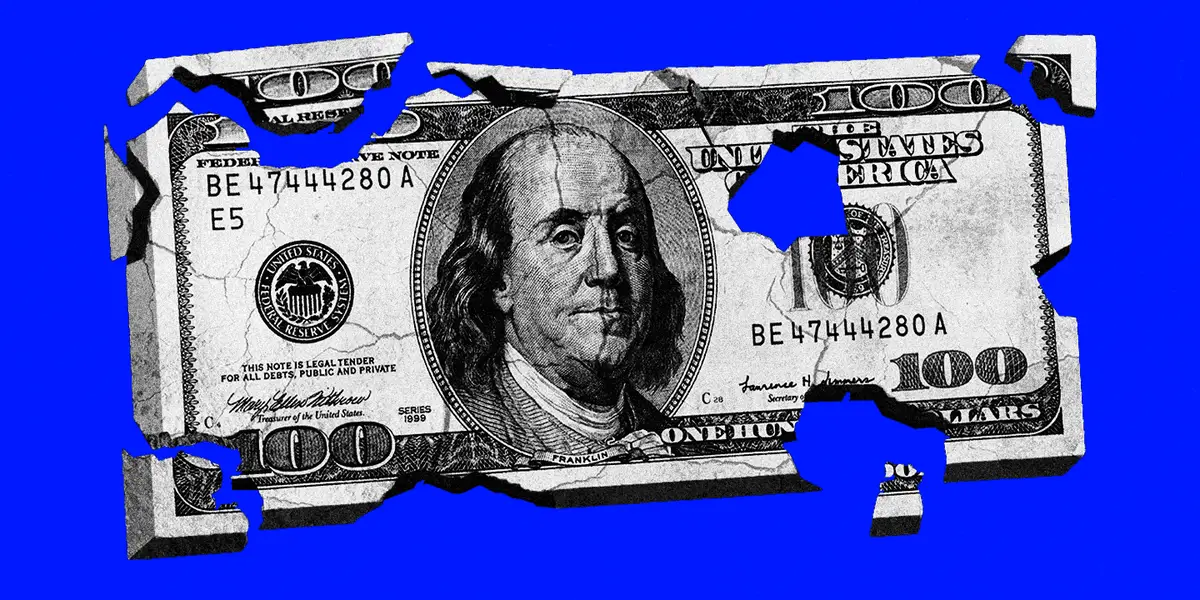
For decades, the U.S. dollar has been the undisputed champion of global finance. It settles roughly 88% of international transactions, dominates central bank reserves, and serves as the benchmark for commodities from oil to gold. But cracks are forming in this foundation, and they’re widening faster than most Americans realize.
The dollar’s dominance is being challenged on multiple fronts. China and Russia are settling energy trades in yuan. Brazil and Argentina announced plans for a shared currency. Saudi Arabia has openly discussed accepting non-dollar payments for oil. These aren’t hypothetical scenarios or fringe economic theories: they’re happening right now, reshaping how the world moves money.
Why should you care? Because the dollar’s global status directly affects your purchasing power, investment returns, and the prices you pay for imported goods. A weaker dollar means more expensive electronics, cars, and vacations abroad. It influences interest rates on your mortgage and the value of your retirement accounts.
This shift won’t happen overnight. The dollar remains deeply embedded in global finance, and no single alternative can match its liquidity and stability. But understanding these changes positions you to make smarter financial decisions as the landscape evolves. Whether you’re an investor, business owner, or simply someone trying to protect your savings, the transformation underway deserves your attention.
Table of Contents
Toggle
Key Benefits
Understanding the challenges to dollar dominance isn’t just academic. It offers practical advantages for anyone managing money, running a business, or planning for retirement.
Primary Advantages
Recognizing this shift early gives you time to prepare. Investors who anticipated previous currency transitions positioned themselves to profit rather than panic. During the British pound’s decline from global reserve status in the mid-20th century, those who diversified internationally preserved wealth while others watched their purchasing power erode.
Awareness also helps you interpret economic news more accurately. Headlines about BRICS currency discussions or central bank gold purchases make more sense when you understand the underlying dynamics. You can distinguish between genuine shifts and media hype, making better decisions about your portfolio allocation.
For business owners, understanding these trends reveals opportunities. Companies that can invoice in multiple currencies or source from diverse suppliers gain flexibility as payment systems evolve. Those locked into dollar-only transactions may find themselves at a disadvantage as trading partners develop alternatives.
The knowledge also provides psychological benefits. Financial uncertainty creates anxiety, but understanding the forces at play reduces that stress. You’re not blindsided by developments that seemed to come from nowhere. Instead, you can track progress and adjust your strategy incrementally.
Use Cases
Consider a retiree with significant savings in dollar-denominated assets. Understanding de-dollarization trends might prompt them to hold some international bonds or foreign currency ETFs as a hedge. This isn’t about abandoning the dollar but about prudent diversification.
A small business importing goods from Asia might renegotiate contracts to include currency flexibility, potentially saving thousands annually if the dollar weakens against the yuan. Or they might lock in favorable exchange rates through forward contracts when they see warning signs.
Young investors building long-term portfolios can allocate portions to international markets and commodities. Gold, often viewed as a dollar alternative, has historically performed well during periods of currency uncertainty. Real estate in stable foreign markets offers another avenue for geographic diversification.
Even those without significant investments benefit from understanding these dynamics. Timing major purchases like cars or appliances can save money if you anticipate currency movements. Planning international travel during periods of dollar strength stretches your vacation budget further.
How It Works
The dollar’s global role rests on several interconnected pillars, and understanding how each functions reveals where vulnerabilities exist.
The petrodollar system forms one critical pillar. Since the 1970s, oil has been priced and traded almost exclusively in dollars. Countries need dollars to buy energy, creating constant demand for the currency. When Saudi Arabia or other producers discuss accepting yuan or rubles, they’re threatening this foundational arrangement.
Central bank reserves represent another pillar. Countries hold dollars to stabilize their own currencies, pay international debts, and conduct trade. The dollar comprises about 59% of global reserves, down from 71% in 2000. This decline is gradual but consistent, with countries diversifying into euros, yuan, and gold.
The SWIFT payment network provides the infrastructure for dollar dominance. This messaging system connects over 11,000 financial institutions worldwide, and most international transactions flow through it. The U.S. can effectively exclude countries from global finance by cutting off their SWIFT access, as it did with Iran and Russia. This power creates resentment and motivation to build alternatives.
China’s Cross-Border Interbank Payment System offers one such alternative. While still small compared to SWIFT, it processed over $14 trillion in 2022. Russia, Iran, and other sanctioned nations increasingly use it for trade. India has developed its own system, and discussions about connecting these networks continue.
The challenge to dollar dominance works through multiple channels simultaneously. Countries reduce dollar holdings in reserves. They negotiate bilateral trade agreements in local currencies. They develop alternative payment systems. They accumulate gold as a neutral reserve asset. No single action threatens the dollar’s position, but the cumulative effect creates meaningful pressure.
The timeline matters here. These shifts happen over decades, not months. The British pound remained important for 50 years after Britain ceased being the world’s dominant economy. The dollar’s deep integration into global finance provides similar staying power. But the direction of change seems clear, even if the pace remains uncertain.
What accelerates this process? Aggressive use of financial sanctions tops the list. When the U.S. froze Russian central bank assets in 2022, it demonstrated that dollar holdings could become liabilities. Countries with complicated relationships with Washington took notice. Even allies began questioning whether over-reliance on the dollar created risks.
Domestic U.S. fiscal policy also plays a role. The national debt exceeding $34 trillion raises questions about long-term dollar stability. Persistent inflation erodes confidence. Political dysfunction around debt ceiling negotiations makes foreign holders nervous about the reliability of U.S. financial management.
Getting Started
Preparing for potential changes in dollar dominance doesn’t require dramatic action. Thoughtful, incremental steps protect your finances while maintaining flexibility.
Start by assessing your current exposure. Most Americans hold nearly all their assets in dollar-denominated investments. Stocks, bonds, real estate, and savings accounts all tie directly to the dollar’s value. This concentration made sense when the dollar’s position seemed unassailable. Now, some diversification warrants consideration.
International stock funds offer the simplest first step. Many retirement accounts include international equity options. Increasing your allocation to 20-30% of equity holdings provides geographic diversification without currency speculation. Companies earning revenue in multiple currencies naturally hedge against dollar weakness.
Fixed-income diversification requires more thought. International bond funds expose you to currency fluctuations that can amplify or offset interest rate movements. Treasury Inflation-Protected Securities offer a domestic alternative, providing some protection if dollar weakness triggers inflation.
Commodities deserve a place in diversified portfolios. Gold has served as money for millennia and tends to rise when confidence in paper currencies falls. Other commodities like silver, agricultural products, and energy also provide dollar hedges. Commodity ETFs make access straightforward.
Real assets generally benefit from currency weakness. Real estate, infrastructure, and productive land maintain value in real terms even as currency values shift. If you’re considering property investment, this provides another reason to proceed.
For business owners, currency flexibility creates opportunities. Can you invoice international customers in their local currency? Can you source from suppliers in multiple countries to reduce dependence on any single exchange rate? These operational changes build resilience regardless of how currency dynamics evolve.
Consider your debt structure too. Fixed-rate dollar-denominated debt becomes easier to repay if inflation rises and the dollar weakens. Variable-rate debt carries more risk in this scenario. Refinancing to lock in fixed rates might make sense depending on your situation.
Stay informed without becoming obsessed. Following central bank reserve allocation reports, BRICS summit outcomes, and major bilateral trade agreements helps you track the pace of change. But daily currency fluctuations tell you little about long-term trends. Quarterly reviews of your positioning suffice for most people.
Avoid panic moves. The dollar isn’t collapsing, and predictions of imminent doom have proven wrong repeatedly. The shift away from dollar dominance will likely take decades. You have time to adjust gradually. Dramatic portfolio changes based on headlines usually hurt more than help.
Work with financial professionals who understand these dynamics. Many advisors still operate as if dollar dominance will continue indefinitely. Finding someone who can discuss currency risk intelligently improves your planning process.
Looking Ahead
The dollar’s position as the world’s reserve currency faces genuine challenges for the first time in decades. China’s economic rise, aggressive sanctions policies, domestic fiscal concerns, and technological changes in payment systems all contribute to a gradual rebalancing of global finance.
This doesn’t mean the dollar will lose its importance. It remains the most liquid, most traded, and most trusted currency globally. No alternative matches its depth and stability. The yuan carries capital controls and political risks. The euro faces structural challenges from the Eurozone’s design. Cryptocurrencies lack the stability and government backing required for reserve status.
But the dollar’s share of global reserves and transactions will likely continue declining. Countries will increasingly settle trade in local currencies. Alternative payment systems will grow. Gold and other neutral assets will play larger roles in central bank portfolios.
For individuals, the message is straightforward: diversify thoughtfully, stay informed, and avoid both complacency and panic. The changes underway will unfold over years and decades, providing ample time for adjustment. Those who understand the dynamics and position accordingly will navigate this transition successfully, whatever form it ultimately takes.