
Why Your Credit Score Is Costing You More Than You Think
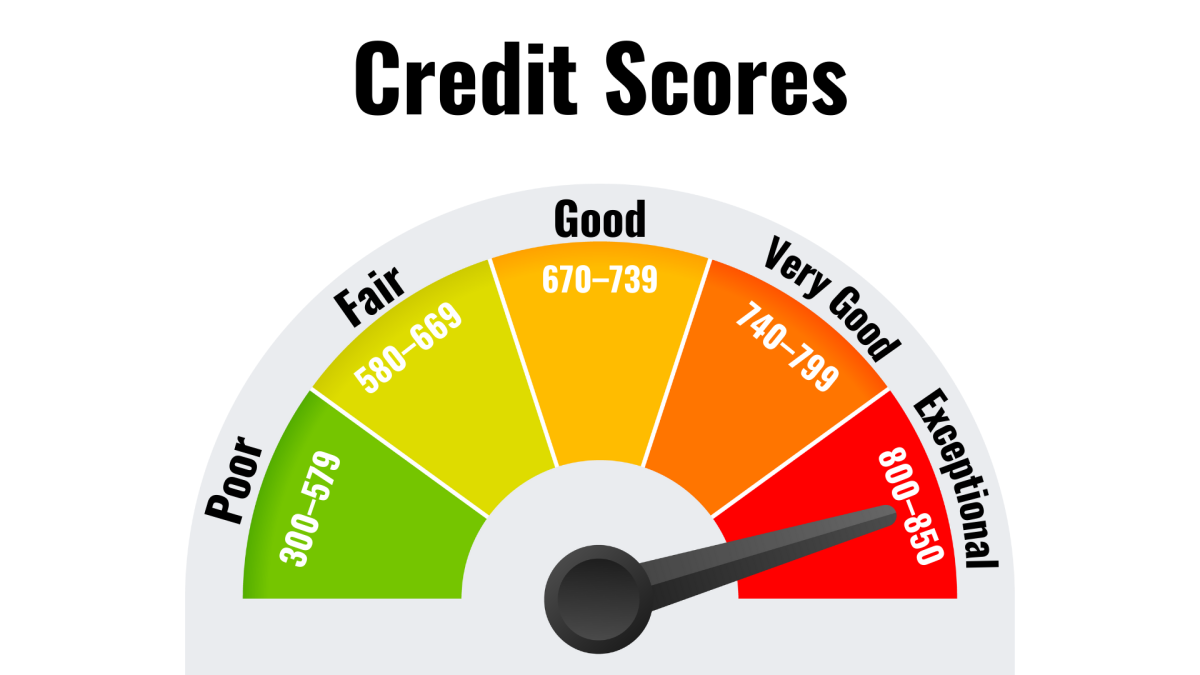
Table of Contents
Toggle
- Table of Contents
- Introduction
- Key BenefitsPrimary AdvantagesUse Cases
- How It Works
- Getting Started
- Making Your Credit Work For You
Table of Contents
Introduction
A 50-point difference in your credit score might seem like a minor detail on a financial statement. But that small number determines whether you pay $200,000 or $280,000 for the same house over 30 years. It affects your car insurance premiums, your ability to rent an apartment, and sometimes even your job prospects.
Most people check their credit score once, feel okay about it, and move on. They don’t realize that a “good” score of 680 is actually costing them thousands of dollars annually compared to someone with a 780. The financial system operates on a sliding scale where every point matters, and the penalties for being anywhere below excellent compound over decades.
Why your credit score is costing you more than you think comes down to simple math that banks don’t advertise. They’re not going to tell you that improving your score by 40 points before applying for a mortgage could save you enough money to fund a child’s college education. That information doesn’t help their bottom line.
The real cost isn’t just higher interest rates. It’s the cascade of secondary effects: larger security deposits, higher insurance premiums, limited housing options, and the mental burden of financial stress. Understanding these hidden costs is the first step toward stopping the bleeding.
Key Benefits
Understanding exactly how your credit score affects your finances creates immediate opportunities for savings. Once you see the real numbers, you can make strategic decisions that compound over time.
Primary Advantages
The most obvious benefit of a higher credit score is lower interest rates on major purchases. But the actual savings are more dramatic than most people realize.
On a $350,000 mortgage, the difference between a 620 credit score and a 760 credit score translates to roughly 1.5 percentage points in interest rate. Over 30 years, that’s approximately $100,000 in additional interest payments for the lower score. That’s not a typo. One hundred thousand dollars for the same house, same neighborhood, same everything – except the number on your credit report.
Auto loans show similar patterns. Someone with excellent credit might secure a 4.5% rate on a $35,000 car, while someone with fair credit pays 9% or higher. The monthly payment difference seems manageable, maybe $80 more per month. But over five years, that’s nearly $5,000 in extra interest on a depreciating asset.
Credit cards amplify these costs further. The average American carries about $6,000 in credit card debt. At 16% interest versus 24% interest, the annual difference is roughly $480. That’s money disappearing into interest payments that could be building an emergency fund or retirement savings.
Use Cases
These principles apply differently depending on your life stage and financial goals.
Young professionals establishing credit face a chicken-and-egg problem. Without credit history, they can’t get good rates. Without good rates, building wealth becomes harder. The solution involves strategic use of secured credit cards and becoming an authorized user on a family member’s account. Starting early matters because average age of accounts affects your score significantly.
Homebuyers within two years of purchasing should treat credit improvement as a second job. A 50-point improvement achieved through paying down credit utilization and disputing errors could save more money than any down payment assistance program. The math consistently favors score improvement over other financial priorities during this window.
Small business owners often don’t realize their personal credit affects business financing. Banks look at personal scores when evaluating business loan applications, especially for companies under five years old. A business owner with a 650 personal score might pay 12% on a business line of credit while their competitor with a 750 score pays 7%.
Retirees sometimes assume credit scores no longer matter. But insurance companies use credit-based insurance scores to set premiums, and a lower score can mean paying 20-40% more for auto and home insurance annually. On fixed income, that difference affects quality of life directly.
How It Works
Credit scoring isn’t mysterious once you understand the five factors that determine your number. FICO scores, used by 90% of lenders, weight these components differently.
Payment history accounts for 35% of your score. One late payment of 30 days or more can drop your score by 100 points and remain on your report for seven years. The damage decreases over time, but recent late payments hurt significantly more than older ones. Setting up autopay for at least minimum payments eliminates this risk entirely.
Credit utilization makes up 30% of your score. This measures how much of your available credit you’re using. Someone with $10,000 in credit limits using $3,000 has 30% utilization. Keeping this below 30% is the standard advice, but people with scores above 800 typically keep utilization under 10%. The calculation happens per card and across all cards, so spreading balances can help.
Length of credit history contributes 15%. This includes the age of your oldest account, newest account, and average age of all accounts. Opening new accounts lowers your average age, which is why churning credit cards for rewards can backfire. Keeping old accounts open, even unused ones, protects this factor.
Credit mix accounts for 10%. Having different types of credit – revolving accounts like credit cards, installment loans like auto loans, and mortgages – demonstrates you can manage various financial products. This doesn’t mean taking on debt you don’t need, but it explains why someone with only credit cards might score lower than someone with a similar payment history but more diverse accounts.
New credit inquiries make up the final 10%. Each hard inquiry from applying for credit can temporarily lower your score by 5-10 points. Multiple inquiries for the same type of loan within 14-45 days typically count as one inquiry, which is why rate shopping for mortgages or auto loans within a short window makes sense.
The scoring model updates monthly based on what creditors report. A maxed-out credit card paid off today might not reflect in your score for 30-45 days. This timing matters when planning major applications.
Getting Started
Improving your credit score doesn’t require complicated strategies or paid services. The most effective actions are straightforward and free.
First, get your actual credit reports from all three bureaus through AnnualCreditReport.com. This is the only truly free source – other sites that claim to be free often sign you up for paid monitoring. Review each report for errors, which appear on roughly 25% of reports according to FTC studies. Dispute anything inaccurate in writing, and the bureau must investigate within 30 days.
Calculate your current credit utilization across all cards. If you’re above 30%, make paying down balances your top priority. Some people see 20-50 point increases within one billing cycle just by reducing utilization. If you can’t pay down balances quickly, consider requesting credit limit increases on existing cards. This improves utilization without requiring additional payments.
Set up autopay for every account, even if just for minimum payments. The 35% weight on payment history makes this the single most important protection for your score. One forgotten payment can undo months of progress.
Stop applying for new credit unless absolutely necessary. Each application creates a hard inquiry, and too many inquiries signal financial distress to scoring models. If you need to apply for multiple loans, do it within a two-week window so inquiries are bundled together.
Consider becoming an authorized user on a family member’s account if they have excellent credit and a long history. Their payment history and credit limit can boost your score without requiring you to use the card at all. Just ensure they maintain good habits, as their mistakes would affect your score too.
For those with thin credit files, a secured credit card or credit-builder loan can establish history quickly. These products report to all three bureaus and, used responsibly for 6-12 months, can move someone from no score to a usable score.
Track your progress monthly through free services like Credit Karma or your bank’s credit monitoring. These use VantageScore rather than FICO, so the number might differ slightly from what lenders see, but the trends are reliable. Watching your score improve creates motivation to maintain good habits.
The timeline for improvement varies. Reducing utilization can show results in 30-60 days. Recovering from a late payment takes 6-12 months of consistent on-time payments. Building a thin file into a robust credit history requires 12-24 months minimum.
Making Your Credit Work For You
The financial impact of your credit score extends far beyond interest rates. Insurance premiums, rental applications, utility deposits, and even employment screening all reference credit information. Every point improvement creates savings that multiply across these categories.
The difference between a good score and an excellent score over a lifetime of financial decisions can exceed $500,000. That figure includes mortgage interest, auto loan costs, insurance premiums, and opportunity costs from higher deposits and missed opportunities.
Start with your credit reports this week. Identify one specific action you can take immediately, whether that’s disputing an error, paying down a balance, or setting up autopay. Small improvements compound into significant savings, and the best time to start was years ago. The second best time is today.